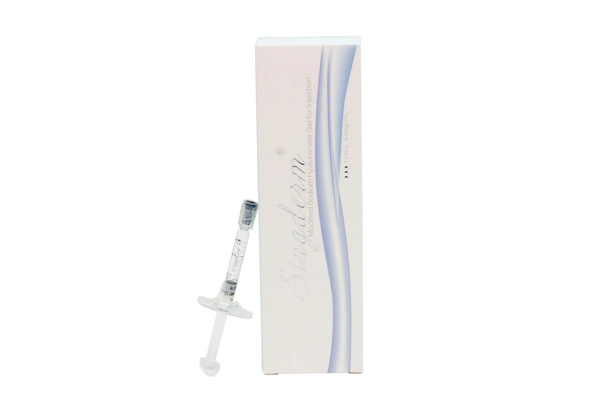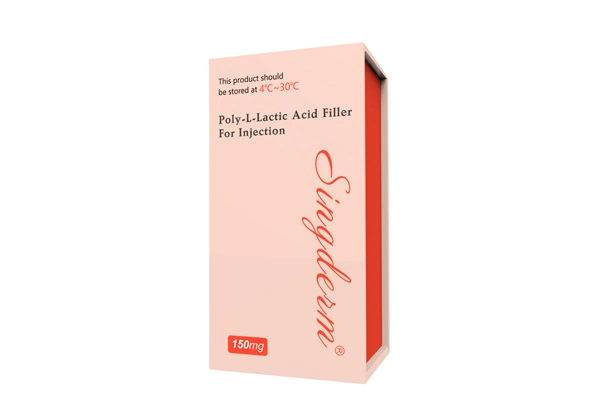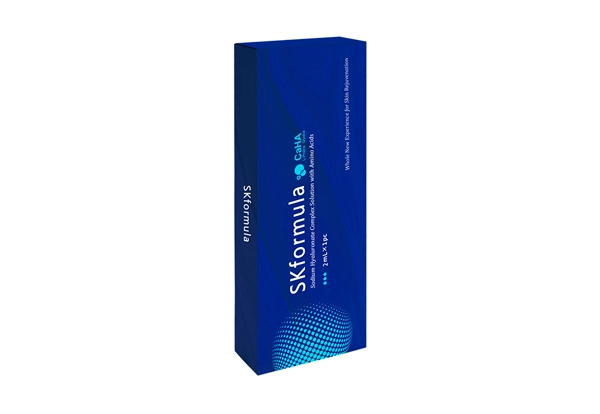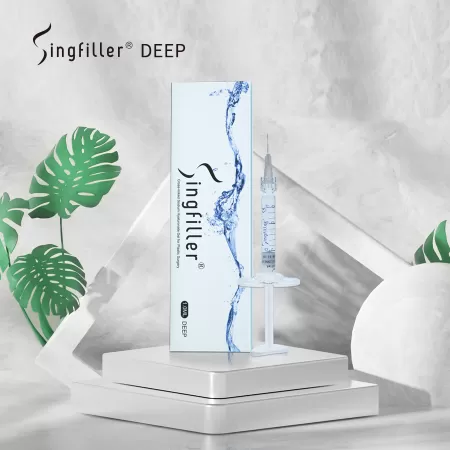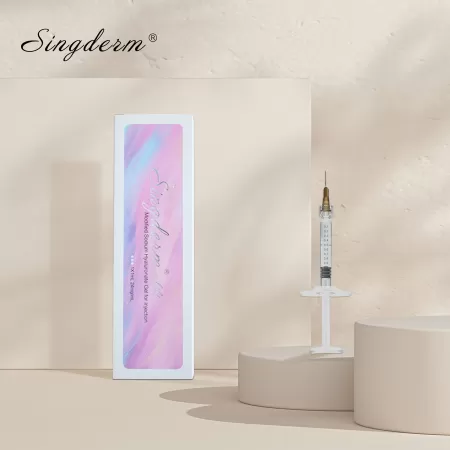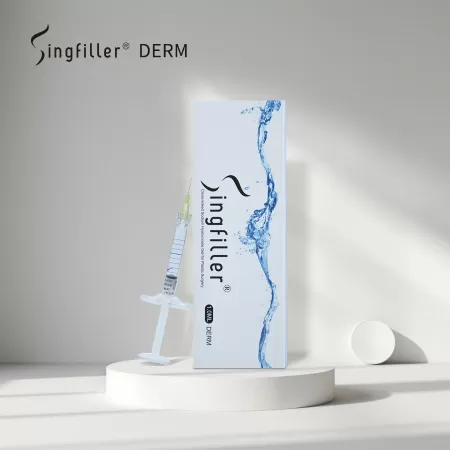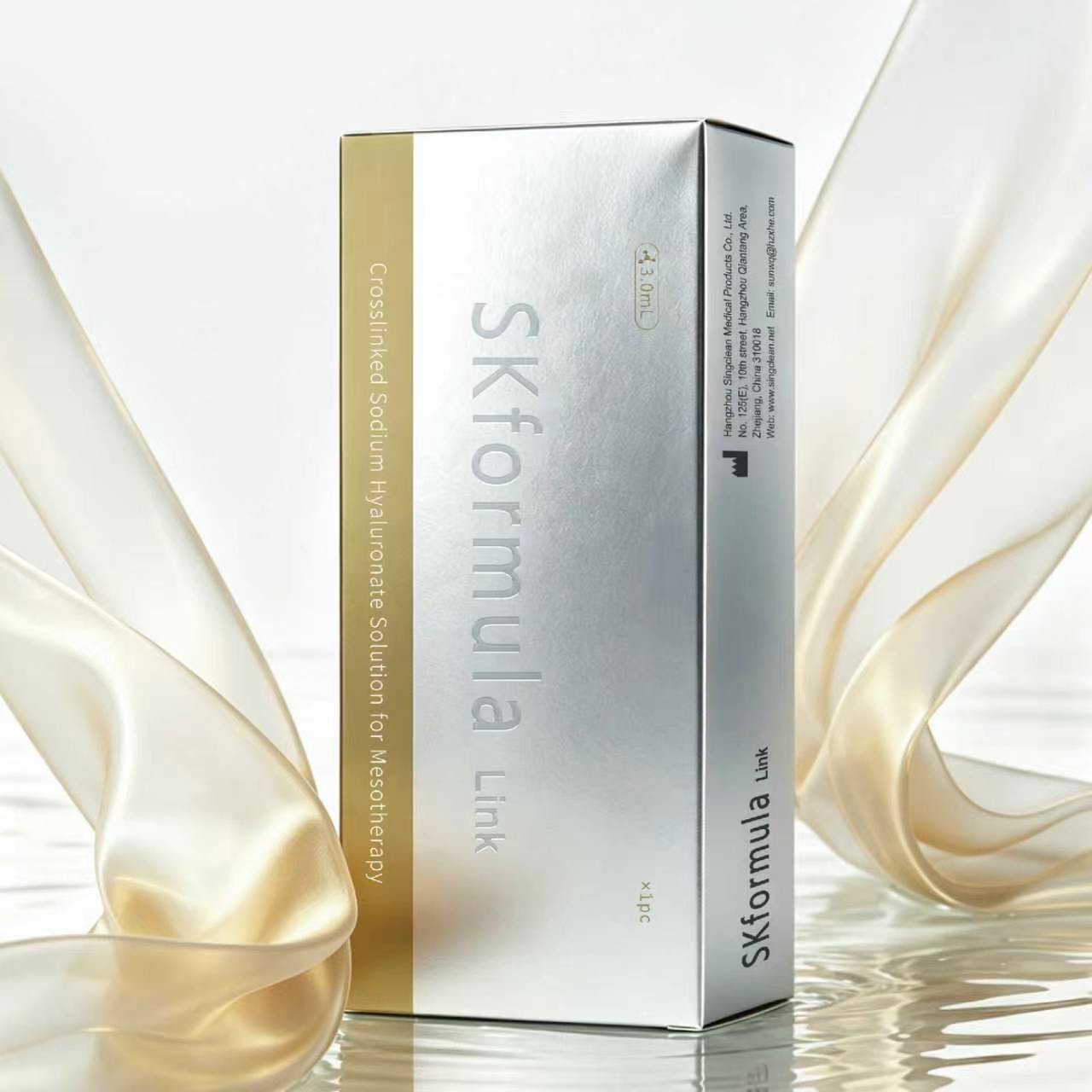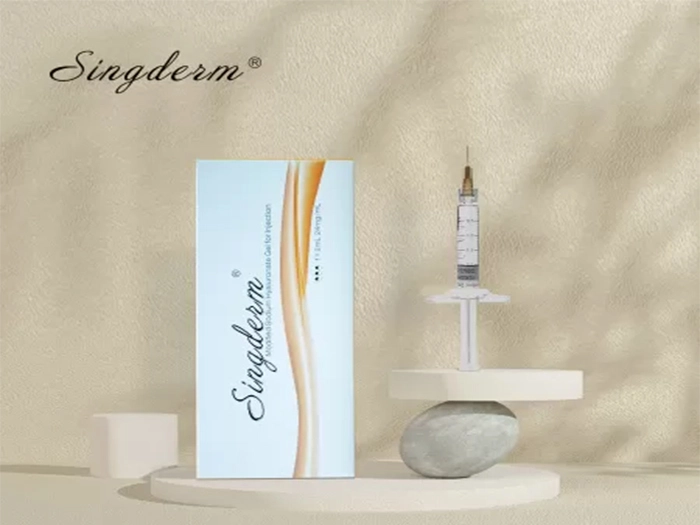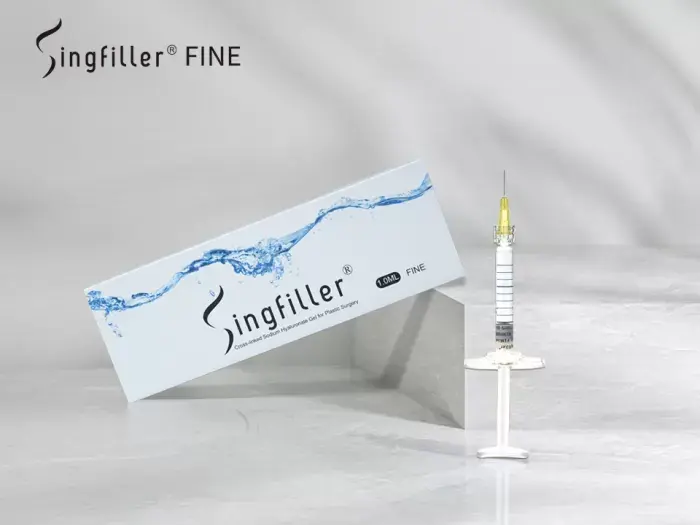

Singfiller DERM offers a more advanced approach to aesthetic treatments through cross-linked hyaluronic acid (HA) technology, providing professionals with improved product stability, natural tissue integration, and predictable aesthetic outcomes compared with many traditional filler solutions. Its advanced formulation makes it a valuable option for clinics seeking reliable performance in wrinkle correction, facial contouring, and skin rejuvenation procedures.
As the aesthetic industry continues to evolve, understanding different dermal fillers types and their unique properties has become essential for practitioners. From collagen stimulators such as plla dermal fillers to HA-based products such as sodium hyaluronate dermal filler, each category provides different benefits. Among them, advanced HA fillers like Singfiller DERM have gained popularity due to their versatility, safety profile, and clinical adaptability.
The main difference between Singfiller DERM and traditional fillers lies in the material technology and product design. Singfiller DERM uses cross-linked hyaluronic acid, a naturally occurring substance in human skin that helps maintain hydration and volume.
Unlike some traditional fillers that may rely on older formulations or limited applications, Singfiller DERM is designed to provide:
Stable volumizing effects through advanced cross-linking technology
Smooth tissue integration for natural-looking results
High biocompatibility with reduced risk of unwanted reactions
Flexible applications for different facial aesthetic needs
The cross-linking process improves HA durability by creating a stronger gel structure, allowing the filler to maintain its shape while adapting naturally to facial movement.
A cross linked dermal filler is designed by chemically connecting hyaluronic acid molecules to create a more stable gel network. This technology improves the filler’s resistance to degradation and enhances its ability to provide long-lasting correction.
Compared with non-cross-linked HA products, cross-linked HA fillers typically offer:
| Feature | Cross-Linked HA Filler | Traditional Non-Cross-Linked HA |
|---|---|---|
| Gel stability | Higher structural stability | Lower durability |
| Volume support | Stronger lifting effect | Mainly hydration |
| Treatment applications | Wrinkle correction, contouring, volumizing | Skin hydration |
| Longevity | Extended performance | Shorter duration |
For professional aesthetic treatments, cross-linking technology provides better control and predictable outcomes, making it an important factor when selecting a filler product.
The market includes several types of dermal fillers, each designed for specific aesthetic goals. Understanding their characteristics helps practitioners select the most suitable option.
HA fillers are among the most widely used injectable fillers because of their compatibility with human tissues. A sodium hyaluronate dermal filler uses purified hyaluronic acid salt to restore volume, improve wrinkles, and enhance facial contours.
Advantages include:
Natural integration with skin tissues
Hydration improvement
Adjustable treatment results
Broad clinical applications
Singfiller DERM belongs to this category, offering professionals an advanced HA-based solution.
PLLA dermal filler products work differently from HA fillers. Instead of directly adding volume, PLLA stimulates collagen production gradually, helping improve skin firmness and facial volume over time.
plla dermal fillers are often selected for:
Long-term collagen stimulation
Overall facial rejuvenation
Gradual improvement of skin quality
However, PLLA treatments usually require more time to achieve visible results compared with HA fillers.
A sub q dermal filler is typically designed for deeper injection areas where stronger volume support is needed. These fillers are commonly used for restoring facial structure, enhancing contours, and correcting deeper volume loss.
The choice between superficial, mid-depth, and subcutaneous placement depends on:
Treatment area
Skin condition
Desired correction level
Product characteristics
HA fillers remain one of the preferred choices in aesthetic medicine because they combine effectiveness, flexibility, and safety.
Compared with other filler categories, HA-based products provide several advantages:
Hyaluronic acid naturally exists in the body, supporting excellent tissue compatibility and reducing concerns associated with permanent synthetic materials.
HA fillers can be used for:
Fine line correction
Nasolabial fold improvement
Facial volume restoration
Lip enhancement
Facial contour refinement
One important advantage of HA fillers is their reversibility. Hyaluronic acid fillers can be managed with hyaluronidase when necessary, providing additional flexibility for practitioners.
The ideal filler depends on the patient’s aesthetic goals, treatment area, and expected outcome.
| Treatment Goal | Suitable Filler Category |
|---|---|
| Fine wrinkle correction | HA dermal fillers |
| Facial hydration improvement | Non-cross-linked HA |
| Volume restoration | Cross-linked HA fillers |
| Deep facial contouring | Sub q dermal filler |
| Long-term collagen stimulation | PLLA dermal fillers |
For clinics looking for a versatile and reliable HA solution, Singfiller DERM provides a balance between natural results, product stability, and professional application flexibility.
HA fillers provide immediate volume correction by adding hydration and structural support, while PLLA fillers stimulate collagen production gradually. HA fillers are often preferred when professionals need immediate and adjustable aesthetic results.
The duration depends on the product formulation, injection area, patient metabolism, and treatment technique. Advanced cross-linked HA fillers are designed to provide longer-lasting effects compared with traditional non-cross-linked formulations.
Sodium hyaluronate dermal fillers are widely used in aesthetic medicine due to their high biocompatibility. Product quality, professional injection techniques, and proper patient assessment remain essential factors for safe treatment.
Professionals should evaluate:
Material technology
Product stability
Clinical application range
Safety standards
Supplier reliability
Patient treatment requirements
With the development of advanced HA technology, modern fillers have moved beyond simple volume replacement toward more precise, natural, and adaptable aesthetic solutions. Compared with many traditional filler options, Singfiller DERM provides professionals with the advantages of cross-linked hyaluronic acid technology, reliable performance, and versatile treatment applications.
For aesthetic clinics seeking a high-quality HA filler solution, understanding different types of dermal fillers and selecting the right technology is essential for achieving safe, natural, and consistent treatment results.
 Call us on:
  Email Us:
  No. 125(E), 10th Street, Hangzhou Qiantang Area, Zhejiang, China