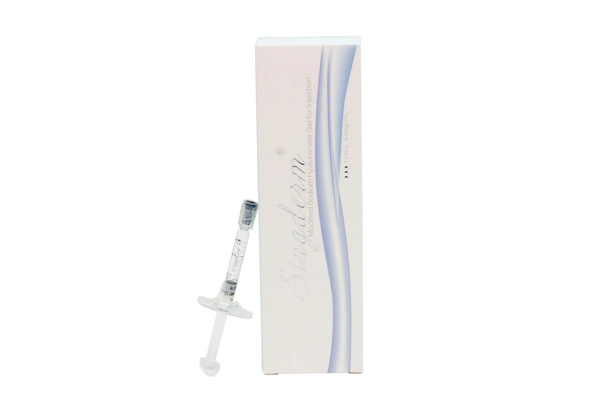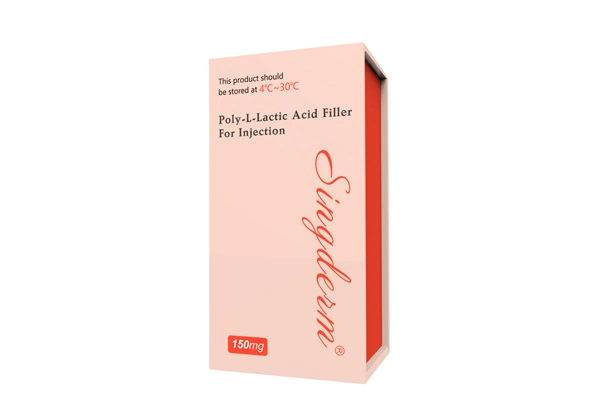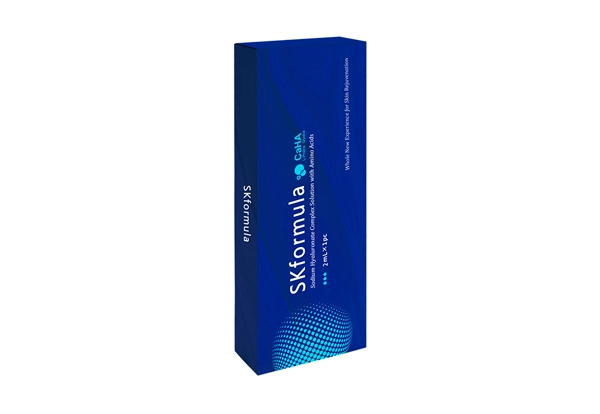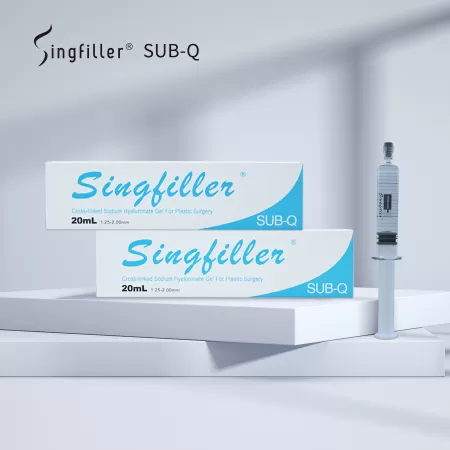

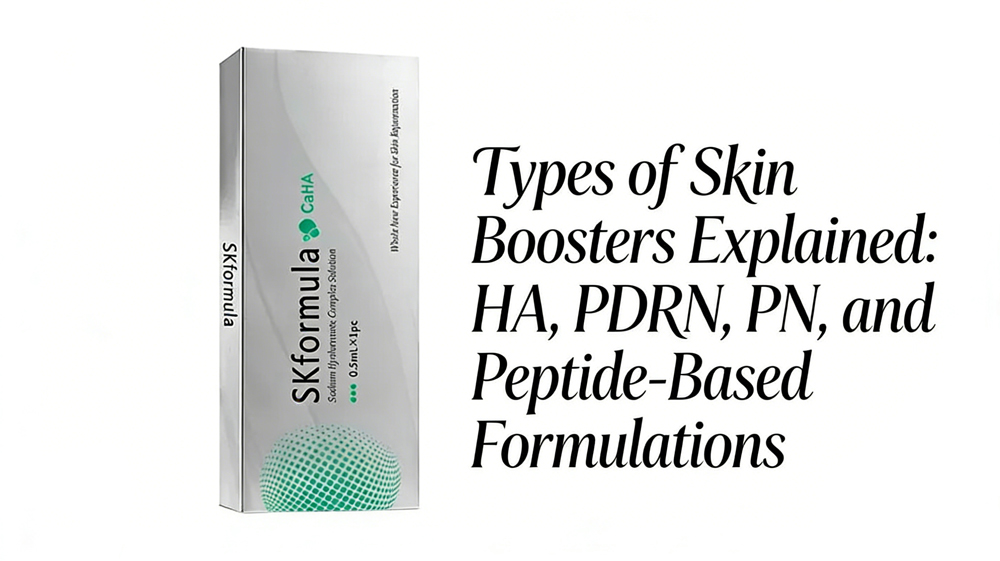
Skin boosters are injectable formulations designed to improve skin hydration, texture, elasticity, and regeneration by delivering active compounds directly into the dermis. The most widely used skin booster types today include hyaluronic acid (HA), PDRN, PN (polynucleotides), and peptide-based formulations. Each of these types of skin boosters targets different biological mechanisms—from deep hydration to cellular repair—allowing clinics to tailor treatments based on skin condition and patient goals.
Understanding how these formulations differ is essential for aesthetic practitioners, distributors, and clinics selecting the most suitable injectable solutions.
The current market for injectable skin rejuvenation is largely divided into four major categories:
Hyaluronic Acid (HA) Skin Boosters – focused on hydration and dermal elasticity
PDRN Skin Boosters – designed for skin repair and anti-inflammatory regeneration
PN (Polynucleotide) Skin Boosters – advanced regenerative injectables that support tissue remodeling
Peptide-Based Skin Boosters – formulations that stimulate cellular signaling and collagen synthesis
These types of skin boosters are often used individually or in combination protocols depending on treatment goals.
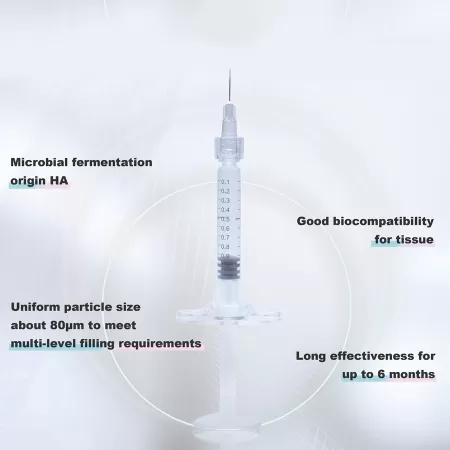
HA skin boosters improve skin quality primarily through deep hydration and dermal restructuring.
Hyaluronic acid has a strong capacity to bind water molecules, allowing it to maintain moisture within the extracellular matrix. When injected into the dermis, HA boosters provide:
Increased skin hydration
Improved elasticity
Smoother texture
Reduction in fine lines
Unlike traditional dermal fillers that add volume, HA skin boosters are designed to enhance skin quality rather than reshape facial contours.
HA boosters are commonly used for:
Dull or dehydrated skin
Early signs of aging
Fine wrinkles
Skin texture improvement
Because they produce relatively immediate hydration effects, HA boosters are often chosen as entry-level treatments in aesthetic clinics.
PDRN (Polydeoxyribonucleotide) boosters stimulate cellular regeneration and tissue repair.
Derived from purified salmon DNA, PDRN activates the A2A adenosine receptor, which plays a role in anti-inflammatory signaling and wound healing.
Clinical effects include:
Stimulation of fibroblast activity
Collagen synthesis
Reduced inflammation
Accelerated tissue repair
For this reason, PDRN boosters are widely used for post-procedure recovery, particularly after laser or microneedling treatments.
PDRN skin boosters are frequently used for:
Acne scars
Post-inflammatory skin damage
Sensitive or inflamed skin
Early aging changes
Compared with HA boosters, PDRN treatments emphasize regeneration rather than hydration.
PN boosters contain long-chain DNA fragments known as polynucleotides, which function as powerful regenerative biomolecules.
These compounds promote:
Dermal remodeling
Fibroblast stimulation
Improved skin elasticity
Increased collagen and elastin production
PN formulations are often considered a more advanced category of regenerative injectables, particularly in Korean aesthetic medicine.
PN boosters are commonly used for:
Skin rejuvenation in aging patients
Improving dermal density
Treating fine wrinkles and laxity
Strengthening fragile skin
Their regenerative effect makes them especially valuable for long-term skin quality improvement.
Peptide-based boosters rely on bioactive peptides that act as signaling molecules, stimulating cellular activity in the skin.
Peptides can encourage:
Collagen synthesis
Elastin production
Cellular renewal
Skin barrier repair
These boosters often contain combinations of peptides, amino acids, vitamins, and antioxidants designed to improve overall skin health.
Peptide boosters are frequently used for:
Anti-aging therapy
Skin revitalization
Enhancing elasticity
Improving dull skin tone
They are sometimes combined with HA or PDRN formulations to create multi-functional regenerative treatments.
The best option depends on the patient’s primary concern.
HA boosters are ideal for hydration and skin texture improvement
PDRN boosters are preferred for skin repair and inflammation reduction
PN boosters support long-term dermal regeneration
Peptide boosters enhance collagen production and cellular activity
Many clinics combine multiple skin booster types within a treatment plan to address hydration, repair, and collagen stimulation simultaneously.
Skin boosters and dermal fillers serve different purposes.
Dermal fillers are designed to restore lost volume or reshape facial contours, while skin boosters aim to improve skin quality and dermal health.
Key differences include:
| Feature | Skin Boosters | Dermal Fillers |
Primary purpose | Skin rejuvenation | Volume restoration |
Injection depth | Superficial dermis | Deep dermis or subcutaneous |
Result type | Improved texture and hydration | Structural contouring |
Because of these differences, skin boosters are often used as complementary treatments alongside fillers.
Treatment frequency varies depending on formulation and skin condition.
Most clinical protocols include:
Three to four initial sessions
Treatments spaced two to four weeks apart
Maintenance sessions every three to six months
Regenerative boosters such as PN or PDRN may show gradual improvements over several weeks as collagen remodeling occurs.
The popularity of injectable skin boosters continues to increase as patients shift toward preventive and regenerative aesthetic treatments.
Several trends are driving this growth:
Rising demand for natural-looking results
Increased interest in skin quality rather than facial reshaping
Expansion of regenerative medicine technologies
Adoption of Korean aesthetic treatment protocols worldwide
For aesthetic clinics and distributors, understanding the different types of skin boosters—including HA, PDRN, PN, and peptide formulations—helps guide product selection and treatment planning.
Modern aesthetic medicine offers multiple skin booster types, each targeting different biological pathways of skin rejuvenation.
HA boosters focus on hydration and elasticity
PDRN boosters promote tissue repair and anti-inflammatory regeneration
PN boosters support dermal remodeling and collagen production
Peptide boosters stimulate cellular activity and skin renewal
By selecting the appropriate formulation—or combining multiple types of skin boosters—clinics can deliver more personalized and effective skin rejuvenation treatments.
As regenerative aesthetics continues to evolve, these injectable technologies will play an increasingly important role in improving skin health and long-term dermal vitality.
 Call us on:
  Email Us:
  No. 125(E), 10th Street, Hangzhou Qiantang Area, Zhejiang, China