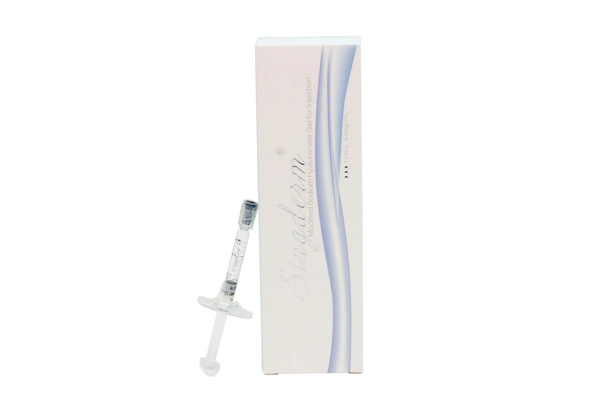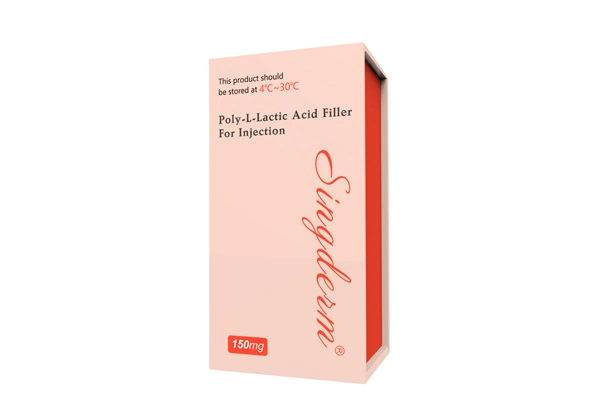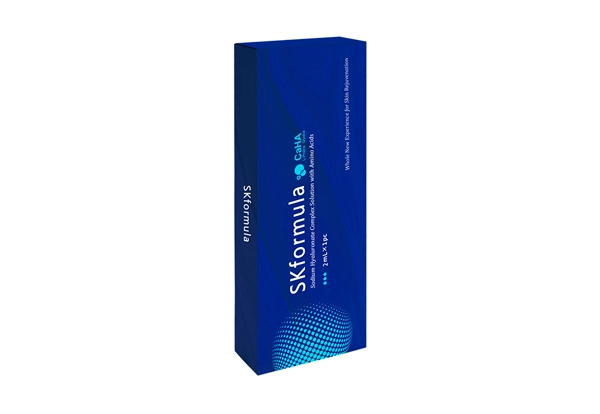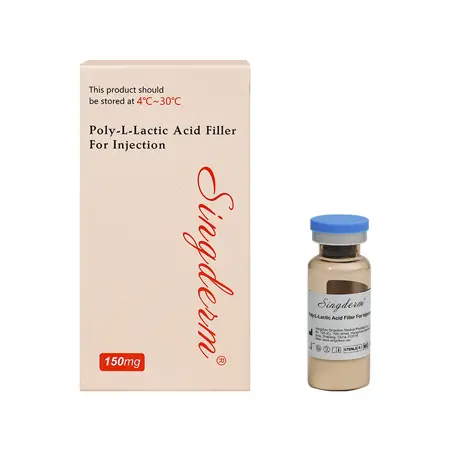

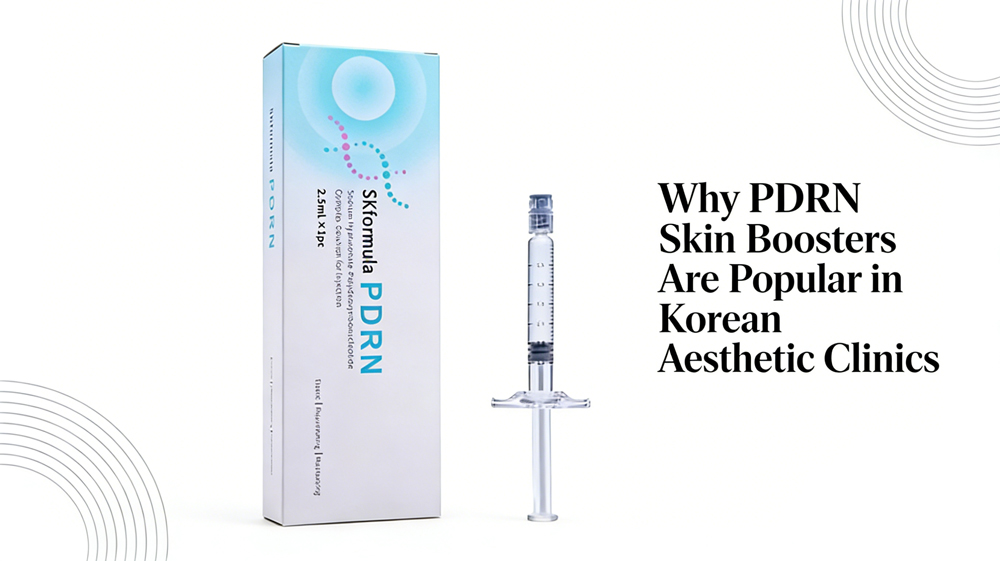
Korean aesthetic clinics favor PDRN skin boosters because they deliver measurable improvements in skin regeneration, inflammation control, and collagen stimulation while maintaining the natural-looking results that Korean beauty standards emphasize. Unlike traditional fillers that primarily add volume, PDRN skin booster treatments focus on repairing skin at the cellular level, which aligns closely with Korea’s preventive and regenerative approach to aesthetics.
This biological mechanism, combined with high treatment compatibility and strong patient demand for “glass skin” results, has made PDRN skin boosters one of the most frequently used injectable treatments in Korean clinics.
A PDRN skin booster contains polydeoxyribonucleotide (PDRN), a DNA-derived compound typically extracted from purified salmon DNA. The molecular structure is highly compatible with human tissue, allowing it to support cellular repair and skin regeneration effectively.
Clinically, PDRN works through several biological pathways:
Activation of A2A adenosine receptors, which helps regulate inflammation
Fibroblast stimulation, increasing collagen and elastin production
Enhancement of angiogenesis, improving microcirculation in damaged skin
Support of DNA repair mechanisms, helping restore compromised tissue
Because of these regenerative effects, Korean dermatologists often use PDRN boosters not just for cosmetic improvement but also for skin recovery after energy-based treatments such as laser resurfacing and radiofrequency microneedling.
Korean aesthetic medicine is known for prioritizing skin quality over excessive volumization. Treatments are typically designed to enhance skin texture, clarity, and elasticity rather than dramatically change facial structure.
PDRN boosters fit this philosophy because they:
Improve overall dermal health rather than simply filling wrinkles
Deliver subtle and progressive results, reducing the risk of unnatural outcomes
Complement Korea’s “glass skin” trend focused on hydration and smoothness
Work effectively with combination therapy protocols commonly used in Korean clinics
For these reasons, PDRN boosters are often integrated into long-term skin maintenance programs rather than used as one-time treatments.
PDRN’s regenerative capability comes from its ability to stimulate fibroblast activity and promote collagen synthesis. When injected into the dermis, PDRN molecules act as biological signaling components that encourage skin cells to repair damaged tissue.
The regenerative effects typically include:
Increased dermal thickness
Improved skin elasticity
Reduction of fine lines and acne scars
Faster post-procedure healing
In Korea, these properties make PDRN particularly valuable for patients seeking gradual and natural skin rejuvenation rather than instant volumizing results.
Both treatments serve different purposes in aesthetic medicine.
Hyaluronic acid boosters primarily improve skin hydration and provide mild volumizing effects. They are ideal for patients who want instant improvement in skin plumpness.
A PDRN skin booster, on the other hand, focuses on biological repair. It promotes collagen regeneration, supports skin healing, and improves long-term skin quality.
Korean clinics often combine these two approaches in layered treatment plans:
HA boosters for hydration and glow
PDRN boosters for regeneration and repair
This combination strategy allows practitioners to address both immediate cosmetic concerns and underlying dermal health.
Many Korean clinics perform laser treatments for pigmentation, acne scars, and skin resurfacing. After these procedures, the skin requires effective recovery support.
PDRN boosters are commonly used post-laser because they help:
Reduce inflammation and redness
Accelerate tissue repair
Restore the skin barrier
Improve healing time
By promoting regeneration at the cellular level, PDRN helps patients recover more comfortably while enhancing the overall treatment outcome.
In Korean clinical practice, PDRN boosters are frequently used to address:
Acne scars and post-inflammatory damage
Early signs of aging
Sensitive or irritated skin
Dull or uneven skin texture
Skin weakened by laser or chemical procedures
Because the treatment stimulates regeneration rather than adding artificial volume, it is particularly attractive to patients who want improved skin quality without altering facial contours.
The Korean aesthetic industry often sets global treatment trends. As international clinics adopt Korean-style skin rejuvenation protocols, PDRN boosters have gained attention in markets such as Southeast Asia, the Middle East, and Europe.
Several factors contribute to this global expansion:
Growing demand for regenerative aesthetics
Patient preference for natural-looking results
Increased awareness of skin barrier repair treatments
The rise of combination injectable protocols
For distributors and aesthetic suppliers, PDRN products represent a rapidly growing segment within the skin booster category.
PDRN has a strong safety profile due to its high biological compatibility. The DNA fragments used in aesthetic injectables are highly purified and processed to minimize immune reactions.
When administered by trained professionals, PDRN treatments typically show:
Low risk of adverse reactions
Minimal downtime
Good tolerance even for sensitive skin
These characteristics have helped Korean clinics integrate PDRN boosters into routine skin rejuvenation programs.
Treatment protocols vary depending on the patient’s condition, but Korean clinics often recommend a series of sessions spaced several weeks apart.
A typical regimen may include:
Initial course of 3–4 sessions
Maintenance treatments every few months
This approach supports gradual collagen regeneration and sustained improvements in skin quality.
As aesthetic medicine continues to move toward biological skin repair and regenerative treatments, PDRN boosters are expected to remain a central component of modern skin therapy.
Their ability to support tissue repair, reduce inflammation, and improve dermal health makes them well suited to the evolving demands of patients seeking natural, long-term skin rejuvenation.
For clinics and distributors alike, PDRN skin booster treatments represent a growing opportunity within the regenerative aesthetics market, driven largely by the influence of Korean dermatology and skincare innovation.
 Call us on:
  Email Us:
  No. 125(E), 10th Street, Hangzhou Qiantang Area, Zhejiang, China