
Skin boosters are designed to improve aspects of skin quality such as hydration, smoothness and elasticity. Their effects depend on the supplied formulation and the clinical goal. HA-based products focus on water retention, while other ingredients may have different biological roles that need their own evidence.
Understanding how a booster works requires separating ingredient properties, treatment-related effects and measured outcomes. This helps patients form realistic expectations and helps clinics explain why one product may fit a particular skin quality concern.
Skin quality is not one measurement. Hydration describes water-related properties, roughness concerns surface texture, and elasticity concerns how skin responds to deformation. Visible radiance and fine lines are additional outcomes that can be assessed separately.
A skin booster product may be positioned around several of these goals, but the evidence should identify which outcomes were measured. A smoother-looking surface does not by itself prove that new collagen has formed.
This distinction is useful during consultation. The patient and practitioner should agree on the main concern before choosing a product or interpreting follow-up photographs.
Hyaluronic acid is part of the extracellular matrix and has water-binding properties. HA-containing formulations can therefore be used in treatment programs focused on hydration and the appearance of dehydrated skin.
Hydration-related changes may contribute to a smoother appearance and improved suppleness. The result still depends on concentration, molecular characteristics, the full formulation and the clinical setting.
Studies of HA-based intradermal formulations have assessed hydration and other skin quality endpoints. Those findings are useful for understanding the treatment concept, but results from one commercial formulation should not be transferred unchanged to another.
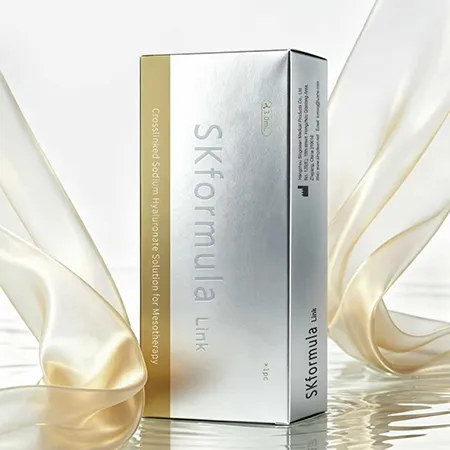
A sodium hyaluronate solution for mesotherapy and a structural HA filler may share the same broad ingredient family while having different clinical roles. Cross-linking, gel properties and additional ingredients influence how a product is intended to be used.
The same principle applies to combination formulations. Listing vitamins, amino acids or peptides does not establish an identical outcome across products. Their identity and concentration, together with stability and product-level testing, matter.
A topical moisturizer and an injectable formulation must also be kept distinct. Evidence for one route of use does not automatically support another route.
Changes in hydration can influence surface appearance. Other formulations are investigated for effects on tissue response and elasticity. The connection between the proposed mechanism and the measured outcome needs to be explained clearly.
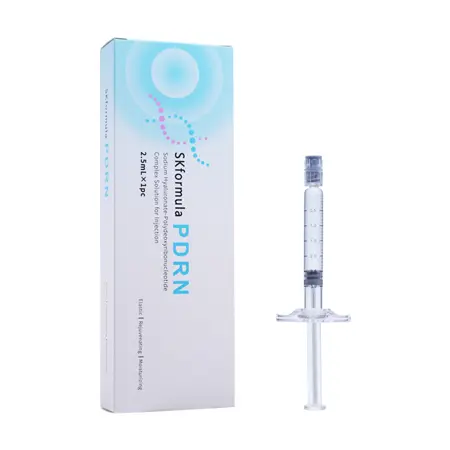
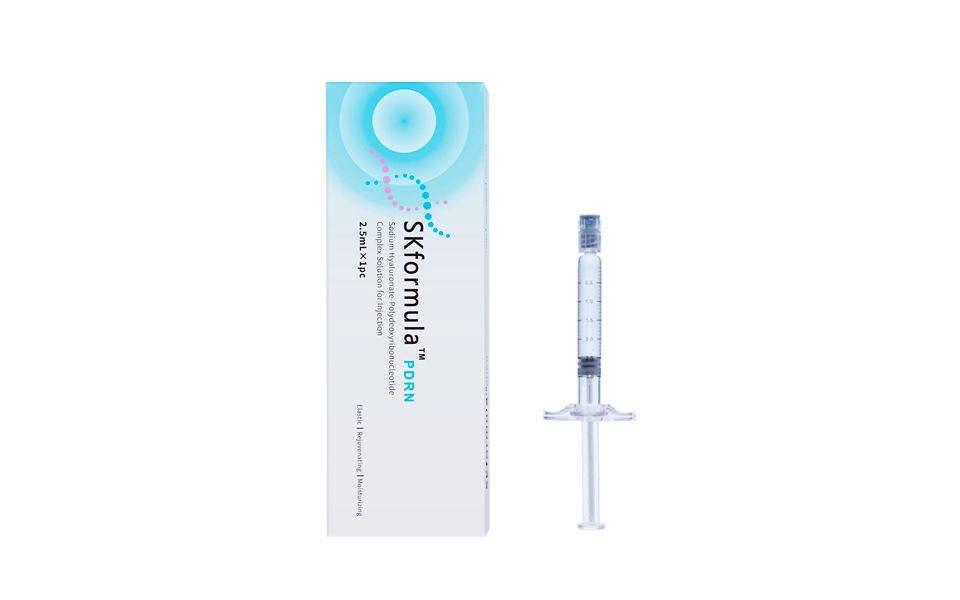
A PDRN-containing skin booster has a different ingredient rationale from an HA-only solution. However, research on PDRN in tissue repair does not establish every aesthetic claim made about a finished formulation.
Clinics should avoid treating improved appearance, elasticity and collagen synthesis as interchangeable terms. They should use the measurements and time points actually supported by the product documentation.
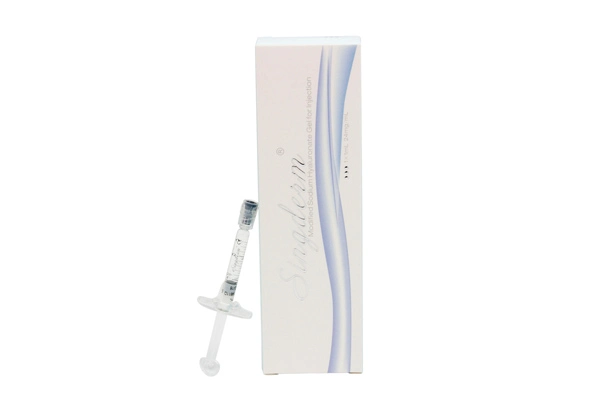
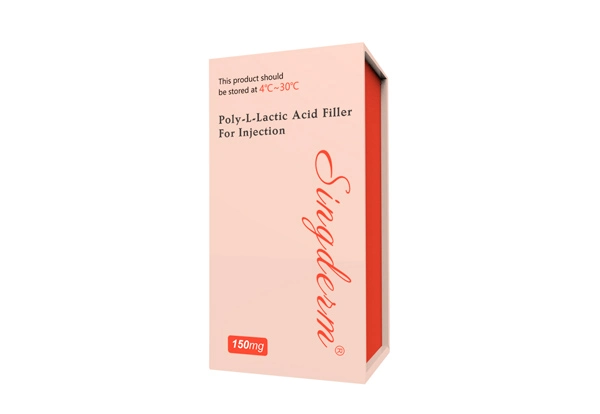
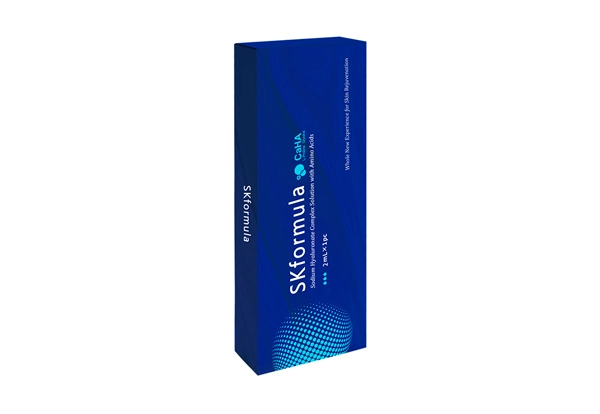
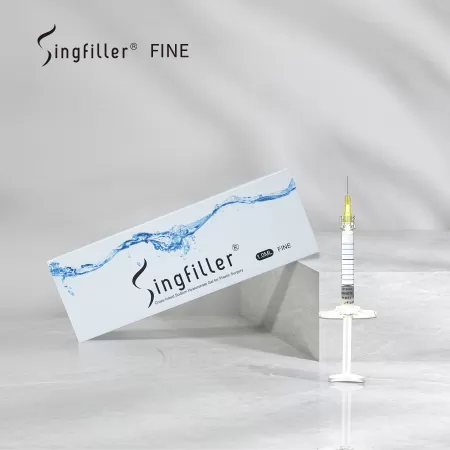
SKformula Hydro Plus is presented within the Singderm skin booster range as a sodium hyaluronate-based option. Professional buyers can use the product page to review its current description and request the relevant specification and instructions.
Its role should be explained through the supplied formulation and intended use. The word natural does not independently establish safety, superiority or suitability for every patient. Nor should a product intended for one application be described as suitable for daily topical care without supporting instructions.
This gives clinics a clearer way to introduce a product: describe the hydration-related objective, explain the formulation and set expectations using the evidence for that product.
Before treatment, a qualified practitioner reviews the concern, medical history and suitability of the product. The discussion should cover likely benefits, limitations and the follow-up process.
Immediately after a procedure, swelling or small injection-site changes can affect appearance. Later assessment is needed to distinguish those temporary changes from a sustained skin quality result.
Results should be compared under similar photographic conditions. For clinical studies or more formal assessments, instrument-based hydration or elasticity measurements can provide information that ordinary photographs cannot.
Understanding the mechanism explains why a treatment may be considered. Selecting among different skin booster types is a separate step that compares ingredients, formulation and intended use.
A clinic may need more than one product role, but adding similar formulations without a clear purpose can make the portfolio harder to explain. Distinct hydration, skin quality and structural-support objectives provide a better basis for selection.
They are generally positioned around skin quality. Structural volume correction requires an appropriately selected filler and a different assessment of the clinical goal.
No single claim applies to every formulation. Collagen-related statements require relevant evidence for the ingredient, product and treatment setting.
Concentration, formulation, intended use, the treatment course and individual factors differ. A shared ingredient name does not make the products equivalent.
Skin boosters should be explained through the relationship between formulation and measurable skin quality goals. Separating hydration, texture and collagen-related claims supports realistic expectations and helps professional users select products for a clearly defined purpose.
 Call us on:
 Email Us:
 No. 125(E), 10th Street, Hangzhou Qiantang Area, Zhejiang, China