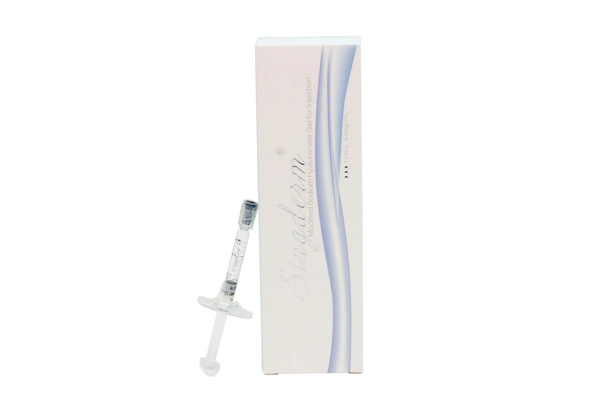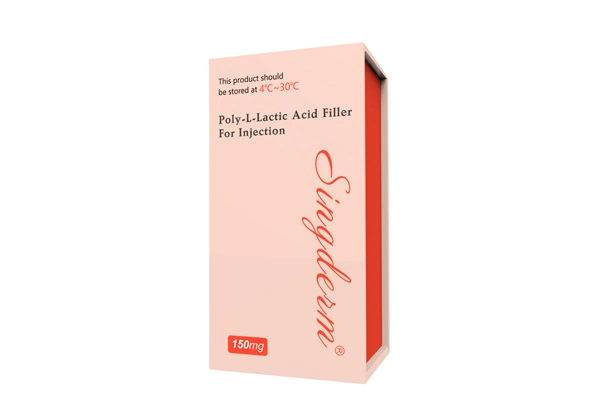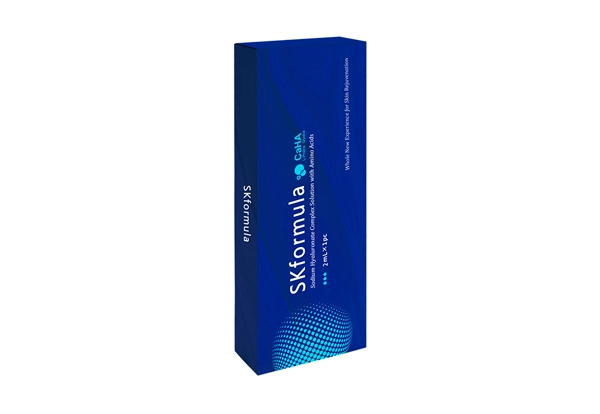

In the world of aesthetic medicine, collagen injections and dermal fillers often serve similar purposes—restoring volume, reducing wrinkles, and enhancing facial contours—but the underlying mechanisms, product longevity, and clinical indications vary significantly. If you're in the business of wholesale dermal fillers, understanding these differences isn't just beneficial—it's critical.
So what's the real difference? Collagen injections are bio-derived proteins that offer short-term volume and skin improvement, while modern dermal fillers—especially collagen stimulating fillers—deliver longer-lasting, regenerative results through neocollagenesis.
Let's explore this in more depth.
Collagen injections were among the earliest dermal augmentation solutions. Derived from bovine or human sources, collagen products (e.g., Zyderm, Zyplast) were widely used in the 1980s and 1990s. However, they've largely fallen out of favor in clinical practice.
Limitations of Collagen Injections
Short Duration: Typically lasting 3–6 months due to rapid enzymatic breakdown.
Allergy Risk: Bovine collagen requires pre-treatment skin testing due to allergic reaction potential.
Low Volume Retention: Compared to HA or collagen stimulating fillers, collagen has limited lift capacity.
Limited Market Availability: Many classic collagen products have been discontinued or are rarely stocked due to market evolution.
For professionals or importers considering collagen injectables for bulk orders, the declining demand and regulatory hurdles make them a less attractive option today.
Dermal fillers, especially hyaluronic acid (HA) and collagen stimulating fillers, have become the industry benchmark for non-surgical facial enhancement.
Hyaluronic Acid Fillers
Instant results.
Reversible (via hyaluronidase).
Safe and well-tolerated.
HA fillers are widely used for lip enhancement, nasolabial folds, tear troughs, and midface augmentation.
However, there's a growing segment of professionals seeking longer-lasting, biostimulatory options, which leads us to the next category.
Unlike HA-based fillers that act primarily through volume replacement, collagen stimulating fillers work by inducing natural collagen production, leading to progressive and sustained rejuvenation.
Popular Collagen Stimulating Fillers in the Market
Poly-L-lactic Acid (PLLA).
Calcium Hydroxylapatite (CaHA).
Polycaprolactone (PCL).
These products provide dual-action results:
Immediate volume correction.
Delayed collagen production (type I and III) for skin thickness and elasticity improvement.
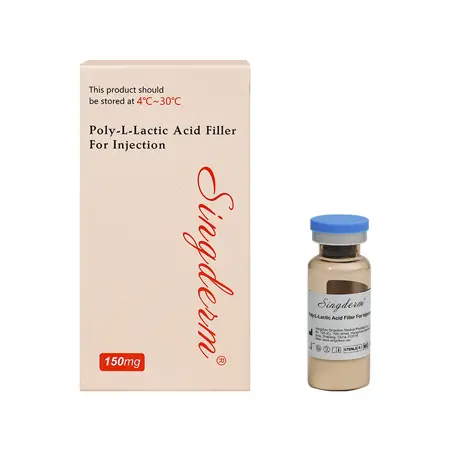
At Singderm, we align our OEM/ODM solutions to match these evolving needs by offering advanced collagen stimulating filler products with CE certification and customizable formulations.
| Feature | Collagen Injections | Collagen Stimulating Fillers |
Source | Bovine/Human collagen | Synthetic polymers (PLLA, CaHA, PCL) |
Duration | 3–6 months | 12–24+ months (depending on product) |
Onset | Immediate | Gradual (over weeks) |
Mechanism | Temporary volume | Biostimulation + long-term tissue support |
Allergy Risk | High (bovine) | Minimal |
Reversibility | Not reversible | Not reversible |
Market Demand | Low | High and growing |
If you're engaged in the B2B supply of aesthetic medical products, choosing the right category of injectable is critical. The market is increasingly shifting toward products that provide regenerative effects, and collagen stimulating fillers are leading this movement.
At Singderm, we provide bulk manufacturing and private label services for advanced filler technologies—including PCL-based and CaHA-based collagen stimulating fillers. Our R&D team can customize particle size, carrier gel viscosity, and degradation rate to meet the exact needs of different regional markets.
When importing or distributing these products, keep the following in mind:
CE/FDA/KFDA compliance is essential for market entry.
Education and training for injectors is crucial—collagen stimulating fillers require advanced injection techniques.
Patient selection and expectation management play a big role in treatment success.
Products that stimulate collagen often require multiple sessions, with full results visible over several months. Ensuring your buyers understand this is key to long-term customer satisfaction and repeat business.
If your company is still considering stocking or importing traditional collagen injections, you're likely missing out on a much larger and growing segment of the market. While collagen injections played a foundational role in aesthetic medicine, their limitations make them less viable today.
Collagen stimulating fillers, on the other hand, align with current clinical trends, patient expectations, and business scalability. They offer long-term value not just to end users but also to wholesalers and OEM clients seeking innovative, high-margin products.
As a leading dermal filler manufacturer in China, Singderm supports global clients with:
Private label solutions for collagen stimulating fillers.
Global logistics support and documentation for importation.
Custom formulation and packaging based on market demands.
Whether you're an importer, clinic distributor, or brand developer, we'll help you stay ahead in a fast-evolving market.
 Call us on:
  Email Us:
  No. 125(E), 10th Street, Hangzhou Qiantang Area, Zhejiang, China