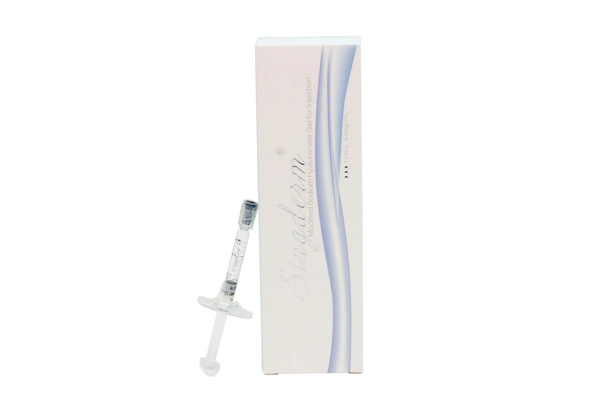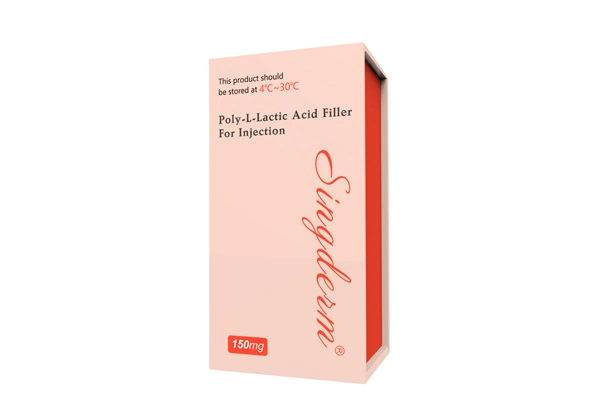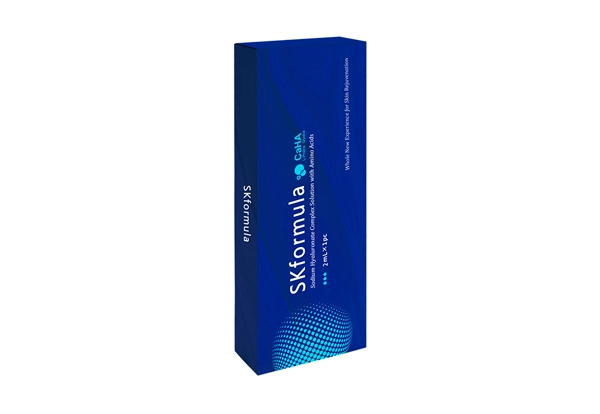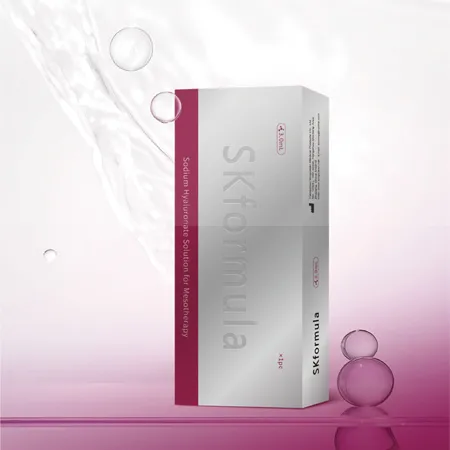

Different skin booster types improve skin hydration, texture, and elasticity by targeting specific biological pathways in the dermis. Some formulations primarily deliver deep hydration, while others stimulate collagen synthesis, tissue repair, or cellular regeneration. Understanding how various types of skin boosters work allows aesthetic professionals to select the most effective treatment strategy based on patient skin conditions and clinical goals.
In modern aesthetic medicine, the most commonly used skin boosters include hyaluronic acid (HA), polynucleotides (PN), PDRN, and peptide-based formulations, each contributing to skin improvement through distinct mechanisms.
Skin boosters are injectable treatments designed to enhance overall skin health rather than add structural volume. Unlike traditional dermal fillers, which reshape facial contours, boosters are delivered into the superficial dermis to improve:
Hydration levels
Skin smoothness
Elasticity and firmness
Dermal thickness
Overall radiance
The effectiveness of different skin booster types depends on their molecular composition and how they interact with skin cells.
Hyaluronic acid is a naturally occurring polysaccharide capable of binding large amounts of water. When injected into the dermis, HA-based boosters help maintain moisture balance and support the extracellular matrix.
This results in:
Increased dermal hydration
Improved skin plumpness
Reduction of fine lines caused by dehydration
Enhanced skin texture
Because hydration is one of the most immediate visible improvements, HA-based formulations remain one of the most widely used types of skin boosters in aesthetic clinics.
HA boosters are commonly recommended for:
Dry or dull skin
Early signs of aging
Fine superficial wrinkles
Skin texture irregularities
The hydration effect can often be noticed within days after treatment.
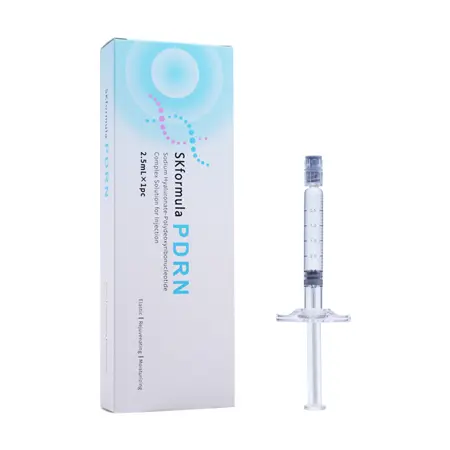
PDRN (polydeoxyribonucleotide) works through cellular regeneration pathways rather than simple hydration.
Derived from purified DNA fragments, PDRN activates the A2A adenosine receptor, which promotes tissue repair and anti-inflammatory responses. This process stimulates fibroblasts responsible for collagen production.
Clinical benefits include:
Enhanced collagen synthesis
Improved dermal elasticity
Faster skin recovery after procedures
Reduction of inflammation
For these reasons, PDRN boosters are often used in regenerative aesthetic treatments aimed at improving skin resilience and structural strength.
Polynucleotide boosters contain long-chain DNA molecules that support dermal remodeling.
These molecules encourage fibroblast activity and improve the extracellular matrix, leading to:
Increased skin thickness
Improved elasticity
Reduction of fine wrinkles
Enhanced skin texture
PN boosters are widely used in regenerative aesthetic medicine because they provide long-term improvements in dermal structure, rather than only short-term cosmetic enhancement.
Clinics often recommend PN boosters for patients experiencing skin laxity or collagen loss.
Peptides function as biological signaling molecules that stimulate cellular processes related to collagen and elastin production.
When used in injectable skin boosters, peptides can:
Encourage fibroblast activation
Support collagen remodeling
Improve skin firmness
Enhance skin barrier function
Many peptide-based boosters also include vitamins, amino acids, and antioxidants, making them particularly useful for comprehensive skin rejuvenation protocols.
Among the various types of skin boosters, hyaluronic acid boosters are generally considered the most effective for hydration because of their strong water-binding capacity.
However, hydration alone may not fully address aging-related skin changes. In clinical practice, practitioners frequently combine multiple skin booster types to achieve optimal results.
For example:
HA boosters for moisture retention
PDRN boosters for skin repair
PN boosters for dermal regeneration
Peptide boosters for collagen stimulation
This multi-layered approach helps improve hydration while simultaneously strengthening skin structure.
Texture improvement occurs when boosters enhance the dermal environment and cellular activity.
Several mechanisms contribute to smoother skin:
Increased collagen and elastin production
Improved hydration within the extracellular matrix
Enhanced skin cell turnover
Reduction of inflammation
Over time, these effects lead to smoother, more even skin surface quality, which is one of the primary goals of skin booster treatments.
Skin boosters are increasingly used for preventive aesthetic treatments.
Younger patients may benefit from boosters that:
Maintain collagen production
Improve hydration levels
Protect dermal structure
Slow visible aging processes
Because they focus on skin quality rather than dramatic contour changes, boosters are often incorporated into long-term skin maintenance programs.
The longevity of results varies depending on the formulation and treatment protocol.
Typical outcomes include:
HA boosters: improvements lasting several months
PN or PDRN boosters: gradual collagen regeneration that can last longer
Peptide boosters: progressive skin improvement with repeated treatments
Clinics often recommend a series of treatments followed by maintenance sessions to sustain optimal skin quality.
As aesthetic trends shift toward natural-looking results and regenerative treatments, demand for advanced skin booster types continues to increase.
Patients increasingly prefer treatments that:
Improve overall skin health
Deliver gradual, natural results
Support long-term collagen regeneration
Because of these advantages, types of skin boosters such as HA, PDRN, PN, and peptide formulations are becoming essential tools in modern aesthetic practice.
Different skin booster types enhance skin hydration, texture, and elasticity through distinct biological mechanisms.
HA boosters provide deep hydration and smoother skin
PDRN boosters promote tissue repair and anti-inflammatory regeneration
PN boosters improve dermal density and elasticity
Peptide boosters stimulate cellular activity and collagen synthesis
By selecting the appropriate combination of types of skin boosters, aesthetic professionals can deliver personalized treatments that improve both skin quality and long-term dermal health.
These innovations continue to shape the future of regenerative aesthetics, where the goal is not simply to fill wrinkles but to restore and maintain healthy, resilient skin.
 Call us on:
  Email Us:
  No. 125(E), 10th Street, Hangzhou Qiantang Area, Zhejiang, China