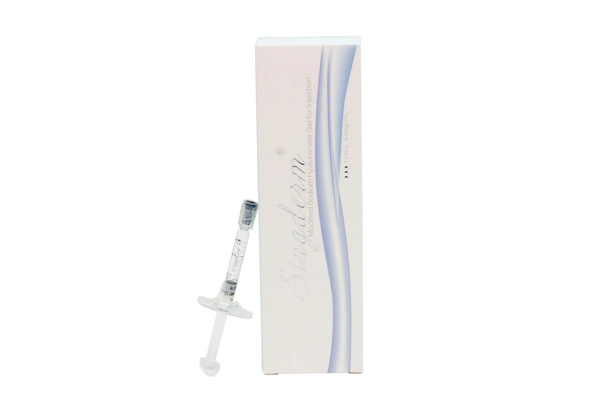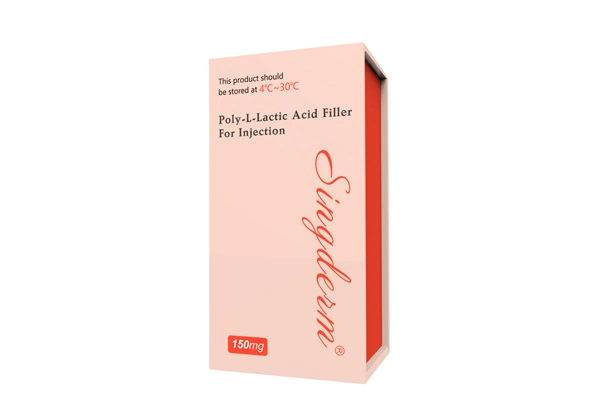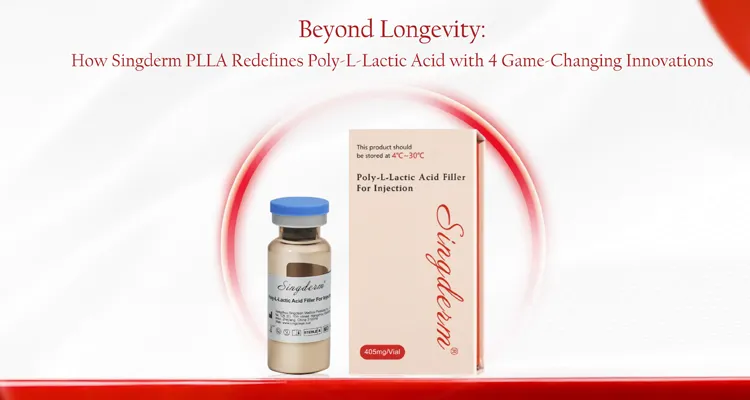
The aesthetic medicine landscape is undergoing a fundamental transformation. For over two decades, the industry has been defined by the concept of "filling" —using hyaluronic acid-based products to occupy space and correct volume loss. While effective, this approach addresses the symptom rather than the cause of facial aging. Today, a more sophisticated understanding of skin biology is driving a new era: the era of regenerative aesthetics.
At the heart of this paradigm shift are Injectable Collagen Stimulators, a class of bioregenerative materials designed not merely to fill, but to restore. This article provides a comprehensive, evidence-based analysis of poly l lactic acid PLLA, its mechanism of action, clinical applications, and what distinguishes advanced PLLA formulations in the current market.
Facial aging is, at its core, a collagen deficiency disease. The skin's dermis is composed of collagen, elastin, and glycosaminoglycans, with collagen accounting for over 75% of its structural matrix. After the age of 25, collagen is lost at a rate of 1% to 2% annually. When the rate of loss surpasses synthesis, the skin loses its structural integrity, leading to laxity, fine lines, and depressions.
Traditional fillers offer an immediate but temporary solution by physically occupying the space left by atrophied tissue. However, they do not address the underlying biological deficit. This limitation has fueled interest in treatments that can stimulate the body's own regenerative capacity—a role perfectly suited to poly l lactic acid fillers.
PLLA filler functions as a biostimulator. It does not provide permanent synthetic volume; instead, it initiates a controlled, low-grade inflammatory response that activates dermal fibroblasts. These activated cells then synthesize new collagen, rebuilding the skin's structural framework from within. This is the core difference: the result is autologous, physiological, and progressive.
Poly l lactic acid PLLA is a biocompatible and biodegradable synthetic polymer derived from natural sources such as corn starch. It has a long history of safe use in medical devices, including absorbable sutures and bone fixation screws.
When a PLLA filler is injected into the deep dermis, it triggers a cascade of biological events:
Immediate Effect: The aqueous suspension provides a temporary volumizing effect.
Activation Phase: The PLLA microparticles initiate a controlled immune response, recruiting macrophages and stimulating fibroblasts.
Collagen Synthesis: Activated fibroblasts significantly upregulate the production of Type I and Type III collagen. Type I collagen rebuilds the collagen structural network, while Type III collagen repair tissue.
Matrix Rebuilding: The newly synthesized collagen integrates with the existing extracellular matrix, forming a durable, supportive network that lifts, firms, and restores volume.
Recent research has elucidated the molecular pathways involved. A 2024 study published in the International Journal of Molecular Sciences demonstrated that PLLA promotes collagen synthesis by activating Piezo1, an ion channel in fibroblasts that responds to mechanical stimuli. This activation leads to the upregulation of key signaling pathways (pERK1/2, pAKT) and cell cycle proteins, effectively rejuvenating senescent fibroblasts and counteracting age-related decline in collagen production.
Further evidence published in the Journal of Drugs in Dermatology in September 2025 confirmed that the biostimulatory effects of poly l lactic acid extend beyond the injection site. The study observed indirect tightening of the lower eyelid skin following PLLA treatment of the cheeks, highlighting its ability to stimulate collagen in multiple layers and adjacent regions. This supports the concept of PLLA as a tool for holistic facial rejuvenation, addressing not just focal wrinkles but also broader skin quality and laxity.
For clinicians and discerning patients, Injectable Collagen Stimulators like PLLA offer advantages that distinguish them from conventional fillers:
Because the aesthetic improvement comes from the patient's own collagen, the results are gradual and natural-looking, avoiding the "overfilled" or "frozen" appearance often associated with synthetic fillers. Clinical data indicate that the effects of a properly administered PLLA protocol can last 18 to 24 months, with some studies suggesting even longer duration.
Unlike hyaluronic acid fillers that primarily add volume, poly l lactic acid fillers demonstrably improve skin texture, thickness, and elasticity.
PLLA is fully biodegradable, breaking down into carbon dioxide and water, leaving no permanent synthetic residue. This inherent safety profile is a critical factor for clinicians and patients concerned about long-term complications.
The clinical performance of a PLLA filler is determined by its physical properties. Not all formulations are created equal. Key differentiating factors include:
Ideal Characteristics: The ideal PLLA filler features smooth, uniform microspheres within a narrow size range (D50: 20-50µm). This minimizes inflammatory reactions and reduces the risk of nodule formation.
Clinical Significance: Smooth spheres induce a lower immune response compared to irregular, flake-like particles. Particles smaller than 20µm risk being phagocytosed by macrophages, while those larger than 50µm may aggregate and promote nodule formation.
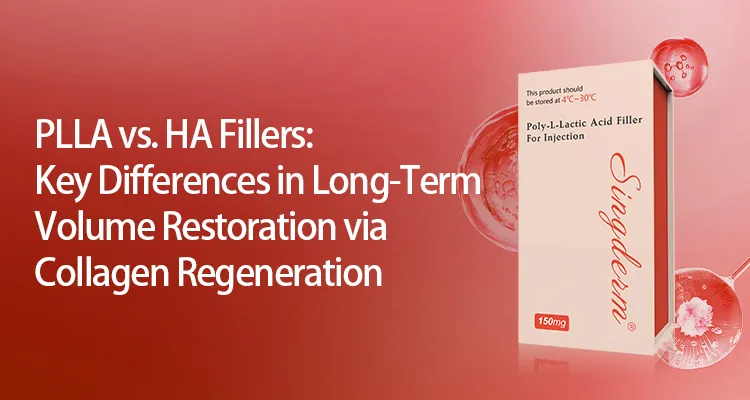
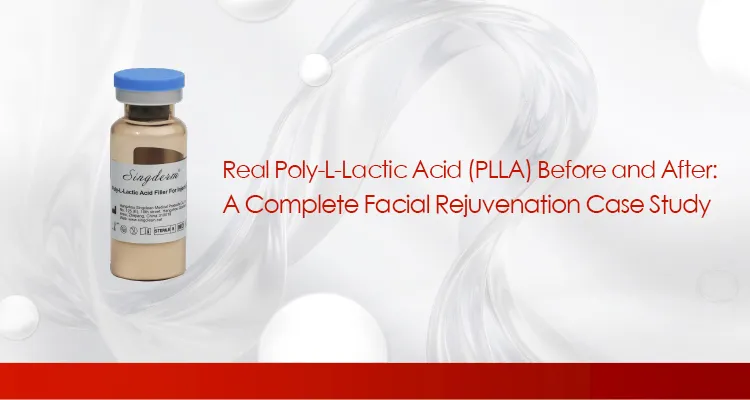
Morphology Comparison: Singderm® employs smooth, medium-sized microspheres with German-sourced raw material achieving 99.9% purity. This contrasts with some competitor products that utilize irregular flake-like particles, which are associated with stronger stimulation, higher edema risk, and slower recovery times.
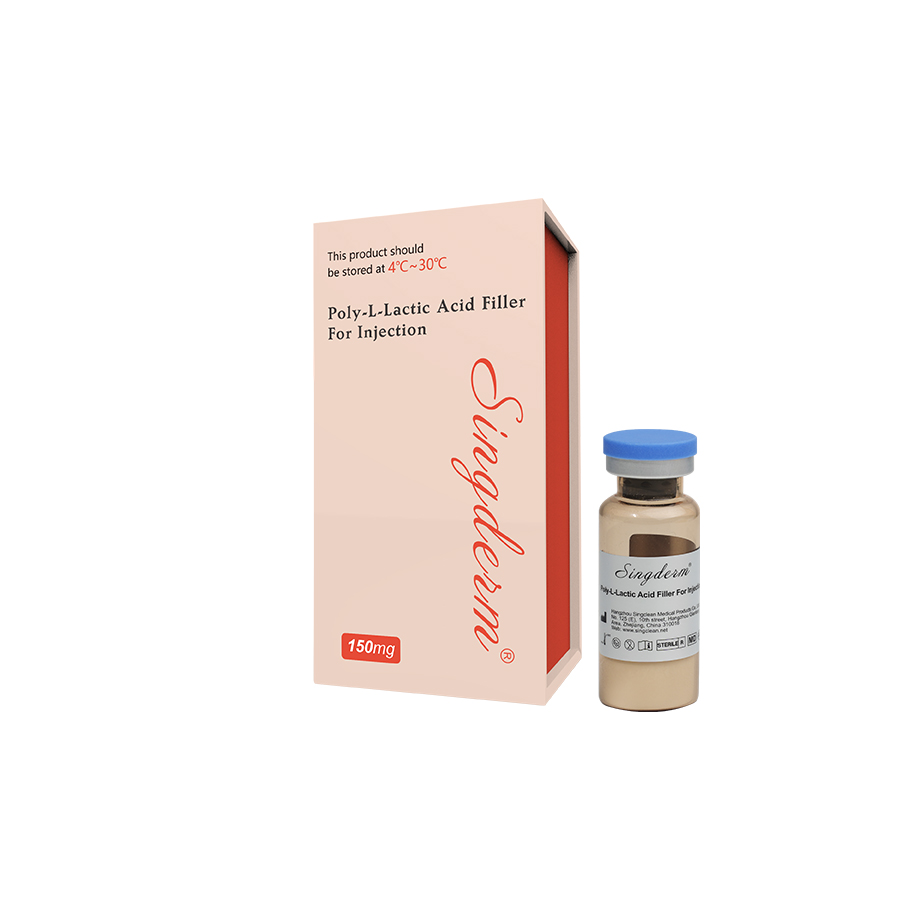
Clinical Efficiency: The ability to reconstitute quickly and maintain a stable, uniform suspension is crucial for procedural efficiency and consistent results. Singderm® reconstitutes within 1 minute and maintains a stable suspension with minimal sedimentation, compared to competitors that may require up to 2 hours or even 24 hours of preparation.
Dosing Flexibility: Multi-gradient dosage options (ranging from 60mg to 150mg of PLLA per vial) allow practitioners to precisely tailor treatment to the severity of wrinkles and the specific anatomical site.
For clinics and distributors, integrating Injectable Collagen Stimulators into their portfolio addresses a clear and growing market demand. The ideal candidates for PLLA treatment include:
Premium Anti-Aging Seekers: Typically aged 30-50, high-net-worth individuals who are willing to invest in high-quality, long-term solutions and refuse frequent touch-ups.
Naturalist Seekers: Patients concerned about unnatural results who pursue a more subtle, holistic facial rejuvenation.
Aesthetic Repair Seekers: Individuals seeking to correct imperfections from previous procedures, such as thread lifts or hyaluronic acid over-filling.
The transition from volume replacement to biological regeneration marks a new chapter in aesthetic medicine. Injectable Collagen Stimulators like poly l lactic acid PLLA represent the scientific and clinical culmination of this evolution. By harnessing the body's innate capacity to heal and rebuild, PLLA offers a safe, effective, and long-lasting solution for facial aging that aligns with the modern patient's desire for natural, enduring results.
For clinicians, choosing the right PLLA filler is a decision of strategic importance. Factors like particle morphology, purity, reconstitution time, and clinical evidence should guide selection. As the regenerative aesthetics segment continues to grow, practices that adopt the latest biostimulatory technologies will be best positioned to lead in the new era of aesthetic medicine.
 Call us on:
  Email Us:
  No. 125(E), 10th Street, Hangzhou Qiantang Area, Zhejiang, China